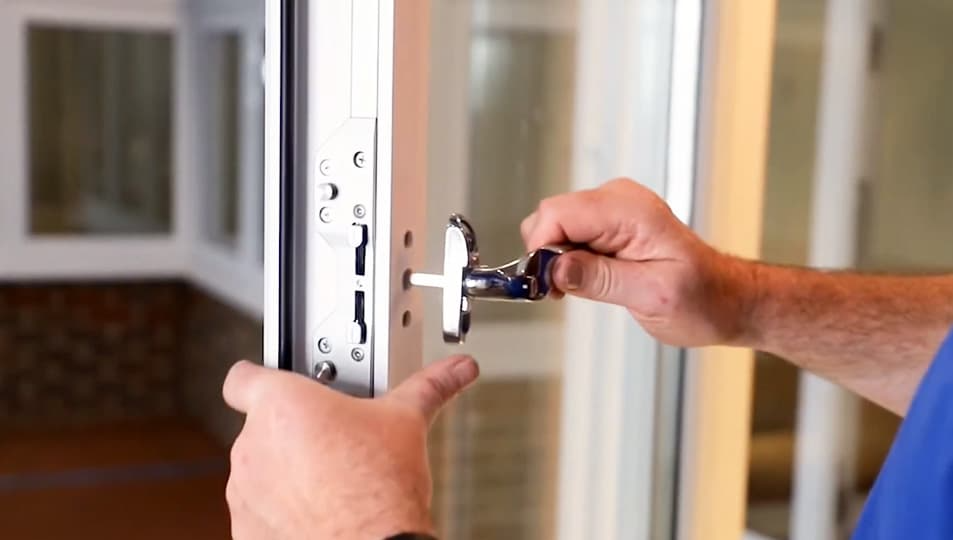
Cheap Lock Repair: Tips and Tricks to Save Money
Locks are an important part of home security, providing a sense of safety and personal privacy. Nevertheless, they can malfunction or get harmed in time, requiring repairs. The cost of lock repair can differ commonly, often leading house owners to look for cheaper alternatives. Thankfully, there are a number of ways to resolve lock concerns without breaking the bank. This short article explores cost-effective services for lock repair, including DIY techniques, expert services, and preventive procedures.
Understanding Common Lock Issues
Before diving into repair options, it's essential to comprehend the common issues that locks face. Some of the most regular concerns consist of:
- Jammed Locks: Difficulty in turning the key or placing the secret into the lock.
- Broken Keys: A crucial breaking off inside the lock.
- Damaged Locks: Locks that have actually been in use for a long time and no longer work smoothly.
- Stuck Deadbolts: Deadbolts that won't turn, either from the within or the exterior.
- Lost Keys: Keys that are misplaced or taken, leaving the lock unusable.
Each of these issues can be attended to with varying degrees of intricacy and expense. Comprehending the problem can help in selecting the most proper and cost effective option.
DIY Lock Repair
For minor lock issues, DIY repairs can be an affordable option. Here are some actions and pointers for tackling typical lock problems:
1. Lubing a Jammed Lock
- Materials Needed: Graphite powder, silicone spray, or WD-40.
- Actions:
- Clean the Lock: Use a compressed air can to blow out any dust or debris from the keyhole.
- Apply Lubricant: Insert a percentage of graphite powder or silicone spray into the keyhole. If utilizing WD-40, apply moderately to avoid messing up the lock.
- Work the Key: Insert the secret and turn it numerous times to disperse the lubricant uniformly.
2. Drawing Out a Broken Key
- Products Needed: Pliers, a locking pliers (vise grip), or a damaged essential extractor.
- Steps:
- Prepare the Key: If the key is not too deep, utilize pliers to attempt and pull it out. For a much deeper break, utilize a locking pliers or a broken essential extractor.
- Apply Pressure: Gently wiggle the secret while pulling it upwards. If it's stuck, try turning it slightly to loosen it before pulling.
- Lubricate: Once the key is out, lubricate the lock to guarantee smooth operation.
3. Replacing a Worn Out Lock
- Products Needed: Replacement lock, screwdriver, and drill.
- Steps:
- Remove the Old Lock: Use a screwdriver to remove the screws holding the lock in location. If the lock is stuck, utilize a drill to thoroughly eliminate the screws.
- Install the New Lock: Follow the producer's instructions to install the brand-new lock. Ensure that the alignment is appropriate to prevent further concerns.
- Evaluate the Lock: Insert the secret and test the lock to ensure it runs smoothly.
4. Fixing a Stuck Deadbolt
- Products Needed: Lubricant, screwdriver, and a flathead tool.
- Actions:
- Check the Alignment: Ensure that the deadbolt is lined up with the strike plate. If it's not, adjust the strike plate or the deadbolt mechanism.
- Lube: Apply lubricant to the deadbolt mechanism and the keyhole.
- Dismantle and Clean: If the concern continues, take apart the deadbolt and clean any debris from the mechanism. Reassemble and check.
5. Rekeying a Lock
- Products Needed: Rekeying package, screwdriver, and brand-new secrets.
- Actions:
- Purchase a Rekeying Kit: Obtain a rekeying set from a hardware shop. This set will consist of brand-new pins and a guide to rekey your lock.
- Disassemble the Lock: Remove the screws and take the lock apart.
- Replace the Pins: Follow the set's guidelines to replace the old pins with the brand-new ones.
- Reassemble and Test: Put the lock back together and check it with the new secret.
Specialist Lock Repair Services
While DIY services can be efficient for small problems, more complicated issues may require the competence of an expert locksmith professional. Here are some pointers to find budget friendly and reliable lock repair services:
1. Research Local Locksmiths
- Online Reviews: Check websites like Google, Yelp, and Angie's List for evaluations of regional locksmith professionals.
- Referrals: Ask good friends, family, or next-door neighbors for suggestions.
- Inspect Credentials: Ensure the locksmith professional is licensed and insured.
2. Get Multiple Quotes
- Compare Prices: Contact a number of locksmith professionals to get quotes for the very same service.
- Ask About Fees: Inquire about any extra charges, such as travel or emergency situation service fee.
3. Consider Maintenance Services
- Yearly Tune-Ups: Some locksmith professionals use annual maintenance services that can assist avoid future lock issues.
- Warranty: Check if the locksmith offers a warranty on their repairs.
4. Try to find Discounts and Promotions
- Online Deals: Search for online promos or coupons that can reduce the expense of services.
- Loyalty Programs: Some locksmiths provide commitment programs that offer discounts for repeat clients.
Preventive Measures
Routine maintenance and preventive procedures can assist extend the life of your locks and minimize the requirement for expensive repairs. Here are some suggestions to keep your locks in excellent condition:
1. Routine Lubrication
- Frequency: Lubricate your locks every six months.
- Materials: Use graphite powder, silicone spray, or a light device oil.
2. Avoid Overuse
- Key Wear: Use different keys for different locks to prevent extreme wear on a single key.
- Lock Strain: Avoid utilizing excessive force when turning the lock.
3. Inspect for Rust
- Check Regularly: Check your locks for indications of rust, particularly if they are exposed to the components.
- Tidy and Protect: Use a rust cleaner to get rid of any rust and apply a rust-resistant finishing.
4. Secure the Strike Plate
- Examine Alignment: Ensure that the strike plate is aligned with the lock.
- Tighten Screws: Replace any stripped screws and tighten the existing ones to prevent the lock from becoming misaligned.
5. Update to High-Quality Locks
- Purchase Quality: While premium locks may be more costly at first, they can save you cash in the long run by lowering the frequency of repairs.
FAQs
1. How can I inform if my lock is broken?
- Signs: Common indications of a broken lock include trouble in turning the key, a crucial breaking inside the lock, or a stuck deadbolt. If the lock feels stiff or the secret does not fit, it might be used out.
2. Is it safe to utilize WD-40 on a lock?
- Caution: While WD-40 can be used in a pinch, it's not the very best choice for long-lasting lubrication. It can bring in dust and grime, which can gum up the lock. Select graphite powder or silicone spray for better results.
3. Can I rekey a lock myself?
- DIY Option: Yes, you can rekey a lock yourself with a rekeying set and some standard tools. However, if you're not comfortable with the procedure, it's finest to speak with an expert.
4. Just how much does professional lock repair cost?
- Variability: The cost of expert lock repair can differ depending on the intricacy of the concern and the locksmith's rates. Simple repairs may cost around ₤ 50, while more intricate problems might vary from ₤ 100 to ₤ 200.
5. What should I do if I lose my keys?
- Immediate Steps: If you lose your secrets, alter the locks as soon as possible to guarantee your home's security. window lock solutions can likewise contact a locksmith professional to make a new key if you have an extra.
6. How can I avoid my lock from jamming?
- Routine Maintenance: Keep your locks well-lubricated and devoid of debris. Prevent utilizing extreme force when turning the secret, and look for any indications of wear or rust.
Lock repair doesn't have to be a pricey venture. By understanding common lock concerns and taking a proactive technique, property owners can conserve cash and preserve the security of their residential or commercial property. Whether through DIY methods, expert services, or preventive upkeep, there are several economical options to keep your locks in leading condition. Keep in mind, a small investment in routine upkeep can go a long way in avoiding more costly repairs down the line.
By following these pointers and tricks, you can make sure that your locks remain reputable and protected without draining your wallet. Whether you choose to tackle the problem yourself or call in a professional, the secret is to act rapidly and prevent minor concerns from turning into major headaches.